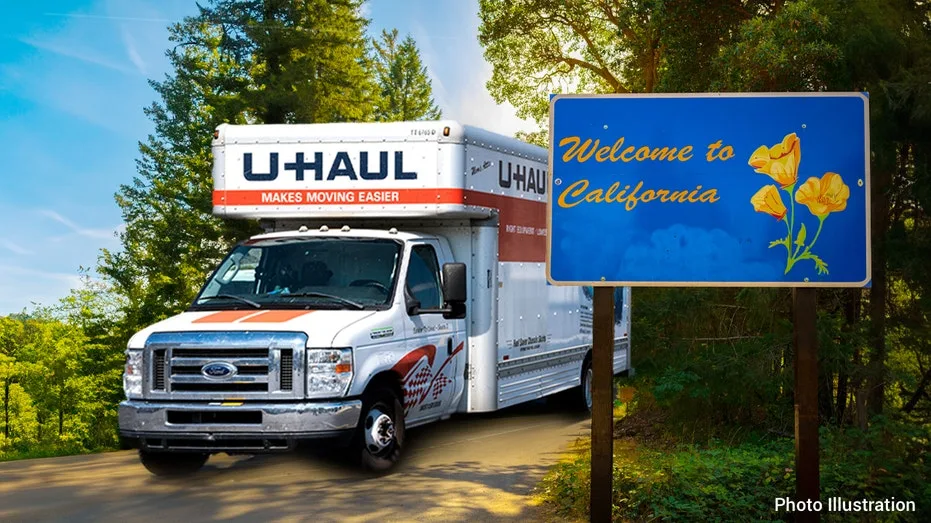
McKinney, Texas, has emerged as a significant location reflecting a broader trend of population movement from California to Texas in recent years. On Election Day, the voting patterns of these newcomers could play a crucial role, not only in state-level contests like Senate and gubernatorial races but also in determining the long-term political trajectory of the Lone Star State, traditionally a Republican stronghold.
Shifting Demographics and New Perspectives
At The Celt, a pub situated on McKinney's picturesque town square, a conversation with Oren, a recent arrival from California, shed light on these evolving dynamics. Oren, who relocated approximately a year ago primarily due to the lower cost of living, indicated his intention to vote for Democratic candidates. He expressed a belief that Texas requires expanded social services, improved public transit infrastructure, and greater support for transgender youth. When questioned about the apparent contrast between moving from a high-tax, large-government state to a more fiscally conservative one, only to advocate for similar governmental expansion in his new home, Oren remained steadfast. He suggested that a truly progressive agenda, as he envisioned it, had not been fully implemented in his prior state of residence.
Oren's perspective was not an isolated one. Daniel, who moved to McKinney a few years prior with a friend and his girlfriend to establish a business and works at a local restaurant, similarly affirmed his continued support for Democratic policies. When asked if he understood the anxieties of native Texans regarding the potential political shifts brought by new residents, Daniel responded with a shrug, stating simply, “Things change.”
Over a period of several hours, two additional individuals who had relocated from California expressed similar intentions to continue voting for Democratic candidates. Like Oren and Daniel, they appeared to perceive no inherent contradiction in potentially replicating in Texas the very conditions – such as higher taxes and increased governmental intervention – that they had sought to escape in California.
Local Concerns Over Political Transformation
However, many long-term Texas residents hold a different view regarding the political influence of these new arrivals. Terry, a local in her sixties, acknowledged the economic benefits of growth but voiced apprehension about its political implications. “I love to see the growth, and there’s a lot of it,” she commented, “but if they bring Democratic politics with them, then we stand to lose the whole thing bringing people here.”
Clint, visiting from just across the Oklahoma border, expressed concerns that extended beyond Texas. He worried not only about Texas potentially shifting politically due to domestic migration but also about the neighboring Sooner State eventually experiencing similar changes.
National Implications of Inter-State Migration
Observations suggest that individuals relocating from liberal states often show no reluctance in advocating for similar political transformations in their new, more conservative environments. This phenomenon is not confined to Texas; Arizona and Montana have also witnessed an influx of voters from California with similar political leanings. Furthermore, residents of West Virginia have expressed comparable anxieties regarding newcomers from Northern Virginia, who are often drawn by the region's lower taxes and cost of living.
In Texas, this political dynamic is compounded by what some describe as a “double-pincer” effect. Alongside the migration of voters from California, decades of significant immigration, both authorized and unauthorized, have also contributed to a perceived shift in the state’s political leanings. This combination is often cited as a key component of the evolving Democratic Party coalition, characterized by affluent, college-educated White voters and immigrant communities.
For Republican strategists, not just in Texas but across numerous traditionally conservative states, the underlying reality is that Americans are relocating at substantial rates to states with a lower cost of living, which frequently correlates with Republican-led states. While this trend could potentially result in gains for red states in the Electoral College and Congressional representation following future census counts, these advantages may be nullified if these states transition to Democratic control.
In the interim, and particularly during election cycles, a critical message for the Republican Party is “Don’t you turn my red state blue.” If a major state like Texas were to shift politically, it could signal a broader trend across other conservative states, a development that some relocating Democrats are reportedly hoping to facilitate.